Research
Organ identity and development in Podostemum ceratophyllum
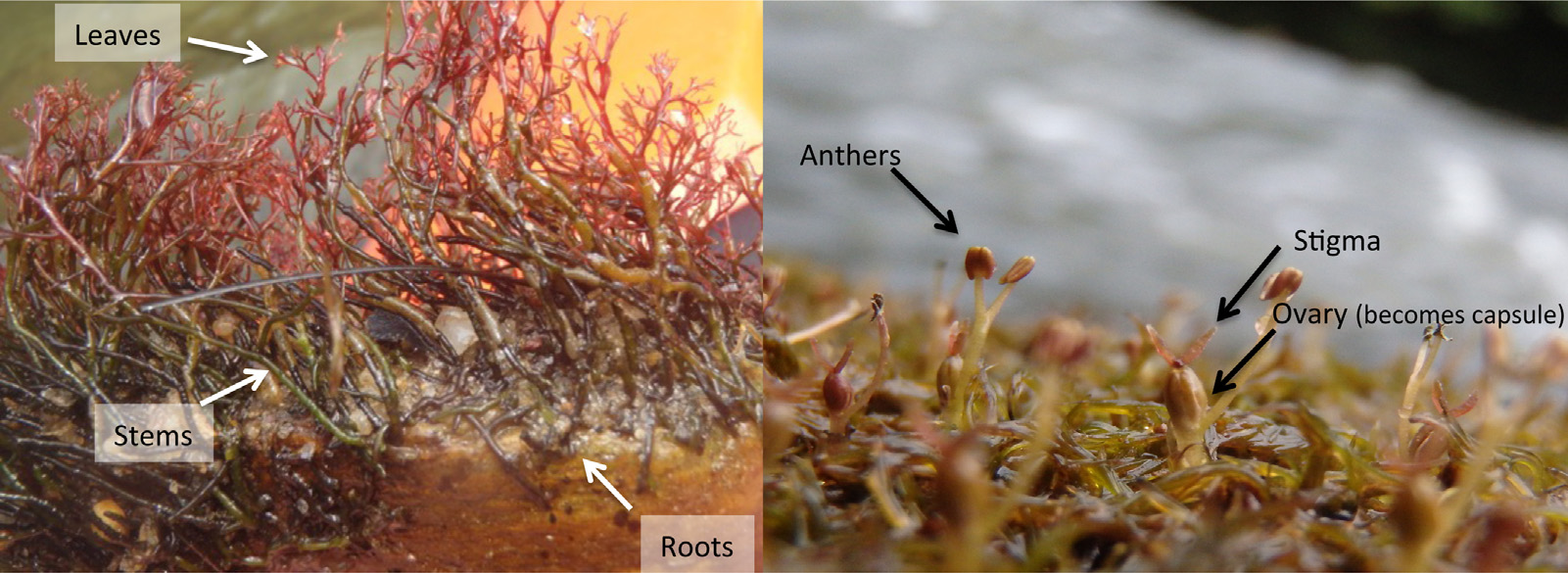
I am investigating the developmental basis of unusual organ morphology in Podostemum ceratophyllum through comparative analysis of root, leaf, and whole-plant RNA-seq data.
I independently developed the literature review and computational analysis plan and carry out the computational work. Cecilia Zumajo supervises the project and collected the samples.
I used Trinity-based de novo assembly and transcriptome quality assessment to establish a reference for developmental gene-expression analysis. I then screened developmental regulators using reciprocal BLAST to guide planned phylogenetic validation and root–leaf expression comparisons aimed at resolving organ homology.
Methods: RNA-seq · Trinity · Transcriptome quality assessment · Reciprocal BLAST
NLR gene-family evolution in gymnosperms
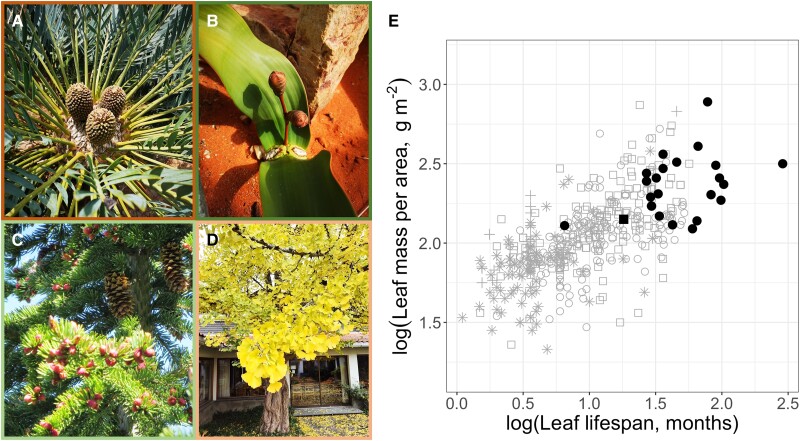
I classified NLR immune receptors across 29 gymnosperm genomes by domain architecture and reconstructed phylogenies under alternative classifications. The analyses address long-branch attraction and incorporate angiosperm and algal sequences.
In these phylogenetic analyses, I resolved a large, strongly supported lineage outside the canonical TNL, RNL, and CNL classes, positioned between the TNL and non-TNL clades. I also mapped NLR loci and gene clusters, observed concentration on a single chromosome in multiple gymnosperm species, and tested chromosome-level enrichment.
This ongoing work forms the basis of my first-author research manuscript, Beyond Canonical NLR Classes: Phylogenetic Diversity and Chromosomal Organization in Gymnosperms (working title).
Methods: Domain-architecture classification · Phylogenetics · Gene-family analysis · Chromosomal mapping · Enrichment analysis
Population genomics of Tetracentron sinense
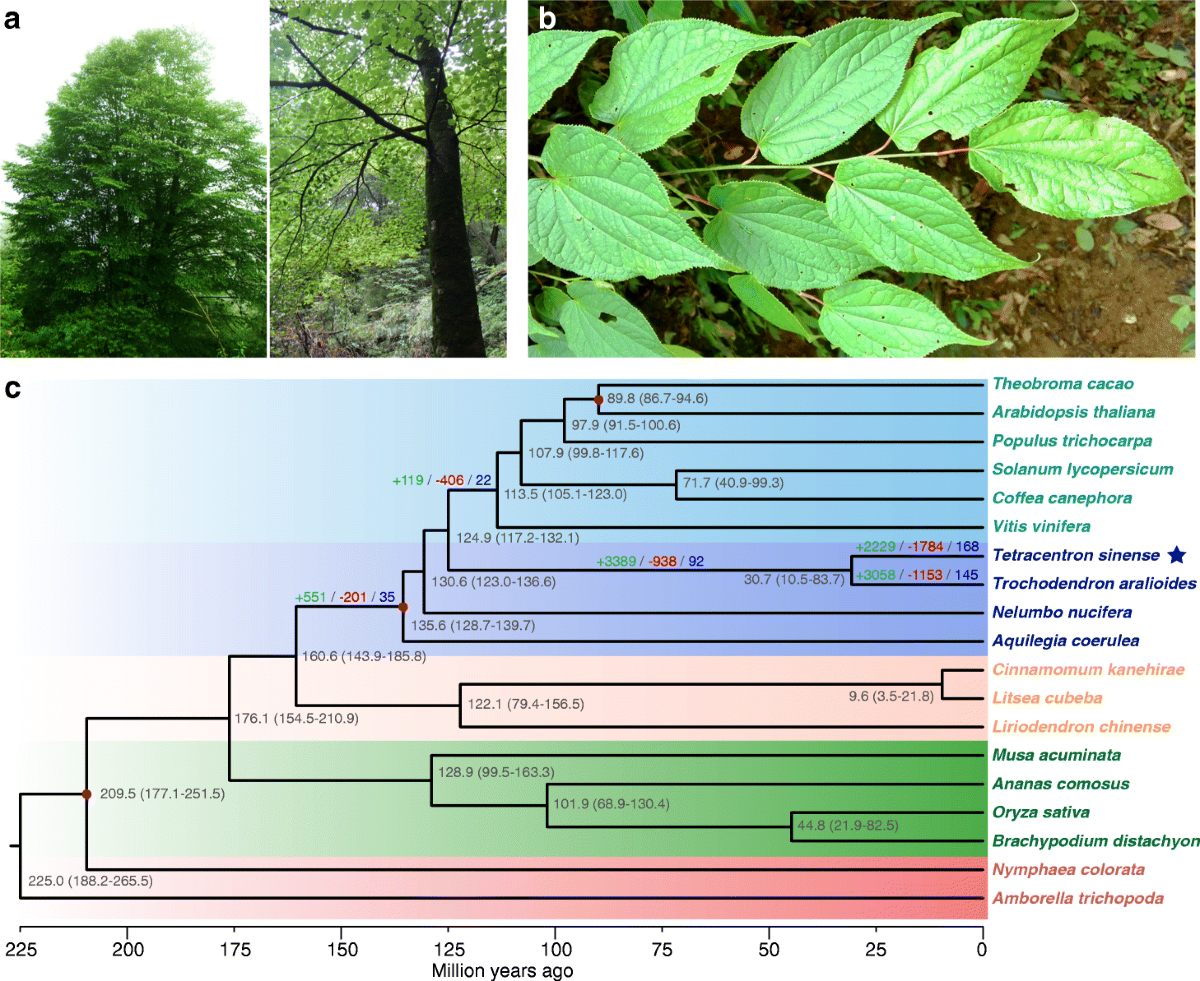
I analyzed population structure from genome-wide resequencing data using PCA and ADMIXTURE to characterize genetic differentiation and ancestry patterns in Tetracentron sinense.
I estimated nucleotide diversity (π), Watterson’s θ, and population differentiation (FST) to compare variation within and among populations and inform conservation-genomic interpretation. I created, revised, and assembled all figures for the research manuscript in R and Adobe Illustrator, integrating analysis outputs into publication-ready visualizations.
Methods: Whole-genome resequencing · PCA · ADMIXTURE · Population-genetic statistics · R · Adobe Illustrator
RNA-seq analysis of NLR expression in Pinus tabuliformis
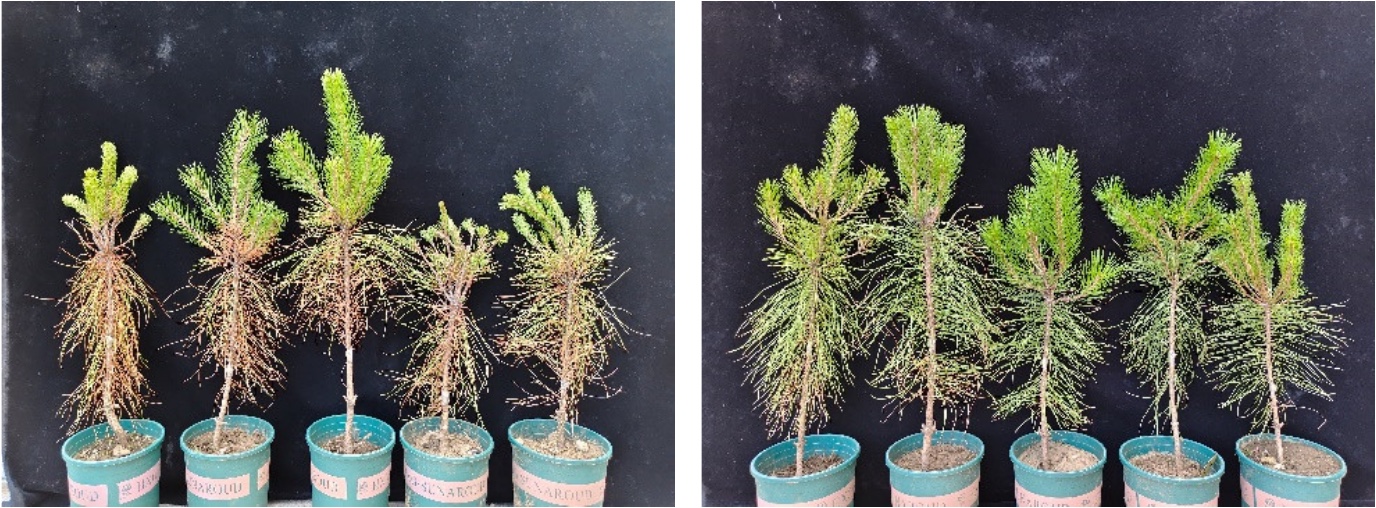
I re-analyzed a public, 12-sample time-course RNA-seq dataset of Pinus tabuliformis infected by pine wood nematode, using a curated catalogue of 661 NLR genes, Salmon/tximport, and DESeq2 likelihood-ratio testing.
I examined class-specific temporal expression with Mfuzz and WGCNA while accounting for module-size effects. Exploratory co-expression and promoter-motif analyses helped prioritize candidate NLRs and transcription-factor families. I documented the workflow in R Markdown and produced figures, tables, and an interactive Shiny dashboard.
Methods: RNA-seq · Salmon/tximport · DESeq2 · Mfuzz · WGCNA · R Markdown · Shiny
Additional research
Functional analysis of very small introns in plants
I reviewed intron splicing and evolution, performed primer design, RT-PCR, and gel electrophoresis to investigate minimum intron length and splicing accuracy, and used Python for data processing and figure preparation.
Cold-stress physiology in Daurian ground squirrel
I led a four-member team studying cold-induced mitochondrial adaptation. I designed assays for mitochondrial abundance and oxidative-stress markers, coordinated troubleshooting, and presented results in a team report and presentation.
Image references
- Wood, J., & Freeman, M. (2017). Ecology of the macrophyte Podostemum ceratophyllum Michx. (Hornleaf riverweed), a widespread foundation species of eastern North American rivers. Aquatic Botany, 139, 65–74. doi:10.1016/j.aquabot.2017.02.009
- Fossdal, C. G., et al. (2024). Epigenetic stress memory in gymnosperms. Plant Physiology, 195(2), 1117–1133. doi:10.1093/plphys/kiae051
- Liu, P.-L., et al. (2020). The Tetracentron genome provides insight into the early evolution of eudicots and the formation of vessel elements. Genome Biology, 21, 291. doi:10.1186/s13059-020-02198-7
- Li, M., Yang, M., Wang, L., Gong, L., Chen, Y., & Xu, J. (2025). Genome-Wide Profiling of the Genes Resistant to Bursaphelenchus xylophilus in Pinus tabuliformis Carriere. Forests, 16(4), 677. doi:10.3390/f16040677